Study to look at benefits, drawbacks of climate change
iAbout Press releases
As part of our continuing efforts to bring you as much information about our region as possible we offer readers a press release service that allows private firms, public agencies, non-governmental organisations and other groups to submit relevant press releases on our website.
All press releases in this section are published in their full length and have not been edited.
If you have a press release or other announcement you would like to have published, please send it to [email protected].
We reserve the right to reject press releases we deem irrelevant or inappropriate.
All material submitted to The Arctic Journal, including pictures and videos, will be assumed to be available for publication by The Arctic Journal and its related entities.
While approximately 350 people are arriving to participate in the international search and rescue exercise Sarex Greenland Sea 2013 in north-eastern Greenland, the country’s government has decided to look into the effects of climate change on maritime traffic.
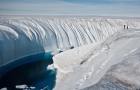
Climate researchers agree that climate change in the Arctic region is occurring rapidly. Temperatures will rise, weather patterns will change, bringing with it more violent storms and the ice sheet will recede.
“The government wants to make the consequences of climate change clear to everyone in order for Greenland as a society to be able to prepare ourselves for the change which will occur,” the health and infrastructure minister, Steen Lynge, said.
Lynge emphasised that maritime traffic was vital to Greenlandic fisheries and the transport of goods.
Making the most of it
The purpose of the study will be to examine benefits and impacts of climate change on maritime traffic, and it will look into the emergence of new navigation routes, improved access to potential off shore oil and gas reserves and access to some towns and villages for a greater part of the year.
“The government hopes Greenland will be able to make the most of climate change adaptation. The more we know about the changes to be expected and their effect on our society, the better we will be able to prepare ourselves,” Lynge said.
The study will also look into ways to reduce the effects of climate change, including how to reduce greenhouse gas emissions.
The project will be carried out as a joint project between the Ministry of Housing, Nature and the Environment and the Ministry of Health and Infrastructure in co-operation with the Royal Arctic Line and other organisations.