On both sides of the Bering Strait, summer sea ice has once more dropped to a level that is driving thousands of walruses onto coastal beaches.
Photos taken in Ryrkaypiy in Chukotka, Russia show an estimated 5,000 walruses hauled out in that spot, while across in Alaska, thousands more are hauled out near the village of Point Lay. Villagers in both places are working to protect resting walrus herds from curious onlookers, as walruses hauled out in such large numbers on beaches are prone to being stampeded, killing smaller animals in the crush.
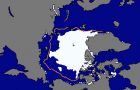
During the late summer and early fall, the Pacific walruses of the Chukchi sea north of Alaska and of Chukotka (Russia) prefer to rest on sea ice over the shallow waters of the continental shelf. In those areas they can readily access food on the seabed. However, in most years since 2007 when Arctic sea ice extent plummeted to a record low, walruses have been forced ashore because there has been no sea ice over their preferred shallow feeding areas.
“This past July was the second warmest on record for Alaska,” says Pete Ewins, WWF Arctic Species specialist. “So it’s not surprising that we’re seeing these animals on the beaches quite early. While haul outs can be potentially dangerous to the animals gathered on shore, we’re concerned about what events such as these mean for the health of the entire Arctic marine system.”
The haul outs are also happening just days before President Obama and a variety of foreign ministers and other senior representatives visit the region to attend the US government hosted GLACIER meeting. During their visit they discuss the changing climate of the region and the need to come together and support a strong climate deal during the global climate negotiations in Paris.
For more information:
Pete Ewins, WWF Arctic Species specialist
Mobile: +1 647-400-9576 email: [email protected]
Photos and video for one time use by media in association with this story:
Photo by Maksim Deminov:
http://assets.panda.org/img/original/walruses_russia_maksim_deminov.jpg
Video by WWF / Tom Arnbom
https://gvn.panda.org/?c=3502&k=c5f4f807c6
Web: www.panda.org/arctic
About WWF
WWF is one of the world’s largest and most respected independent conservation organizations, with almost five million supporters and a global network active in more than 100 countries. WWF’s mission is to stop the degradation of the earth’s natural environment and to build a future in which humans live in harmony with nature, by conserving the world’s biological diversity, ensuring that the use of renewable natural resources is sustainable, and promoting the reduction of pollution and wasteful consumption.
Link to sender’s website
The Arctic Journal publishes press releases as a service to our readers. The sender is responsible for all content.