A good, cleaning education
iAbout Press releases
As part of our continuing efforts to bring you as much information about our region as possible we offer readers a press release service that allows private firms, public agencies, non-governmental organisations and other groups to submit relevant press releases on our website.
All press releases in this section are published in their full length and have not been edited.
If you have a press release or other announcement you would like to have published, please send it to [email protected].
We reserve the right to reject press releases we deem irrelevant or inappropriate.
All material submitted to The Arctic Journal, including pictures and videos, will be assumed to be available for publication by The Arctic Journal and its related entities.
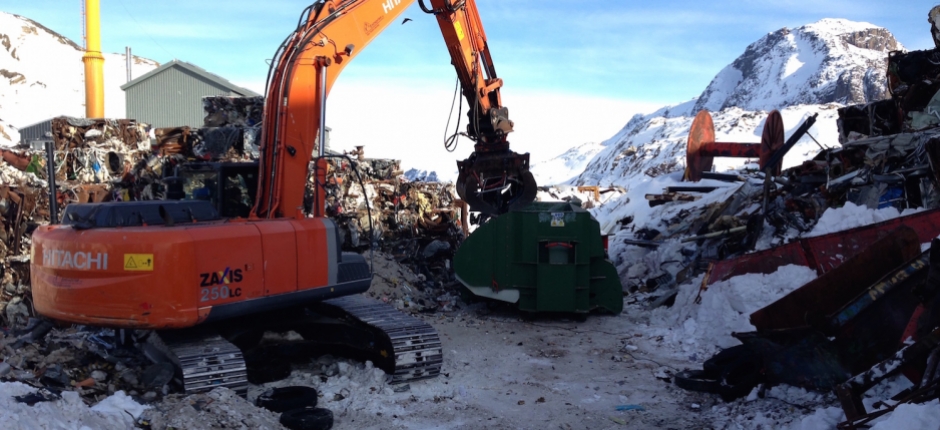
Greenland’s problems with rubbish are nothing new. And while doing something about it has long been discussed, little of consequence has been done.
That is set to change, when in 2018, the first class of ‘waste technicians’ completes their training at KTI, a technical school in Sisimiut. It is hoped that the 18-month programme announced earlier this week will improve the way transfer stations and other refuse facilities handle waste.
For some facilities, it will lead to the establishment of programmes for cleaning up dumps that, according to a 2011 report, leech dangerously high levels of dioxin.
The programme is set up at the urging of local authorities, who say that employees currently lack the skills to operate equipment such as incinerators, or to properly sort waste at transfer stations.
Some local authorities have previously sought to address their waste problems, particularly illegally dumped metal, by contracting with private firms, who were willing to pay to collect it and sell valuable material for scrap. But, addressing other waste problems has proven more difficult, and training will focus on teaching students the skills necessary for dealing with the most pressing waste issues, such as handling hazardous waste, recycling and abiding by national regulations.
For most students, the training will come in addition to an 18-month programme that trains harbour terminal employees. Individuals already working at waste centres will be able to attend the training as continuing-education students. It would be a shame if their experience went to waste.