He feeds a shipload of people
iAbout Press releases
As part of our continuing efforts to bring you as much information about our region as possible we offer readers a press release service that allows private firms, public agencies, non-governmental organisations and other groups to submit relevant press releases on our website.
All press releases in this section are published in their full length and have not been edited.
If you have a press release or other announcement you would like to have published, please send it to [email protected].
We reserve the right to reject press releases we deem irrelevant or inappropriate.
All material submitted to The Arctic Journal, including pictures and videos, will be assumed to be available for publication by The Arctic Journal and its related entities.
This is the ninth article in a 12-installment travelogue provided by Visit Greenland.
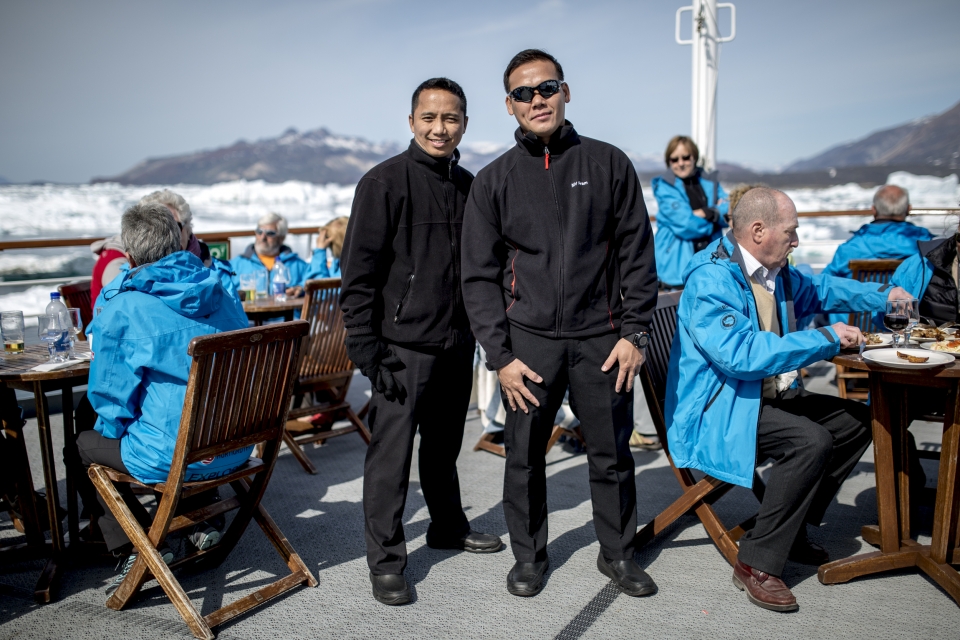
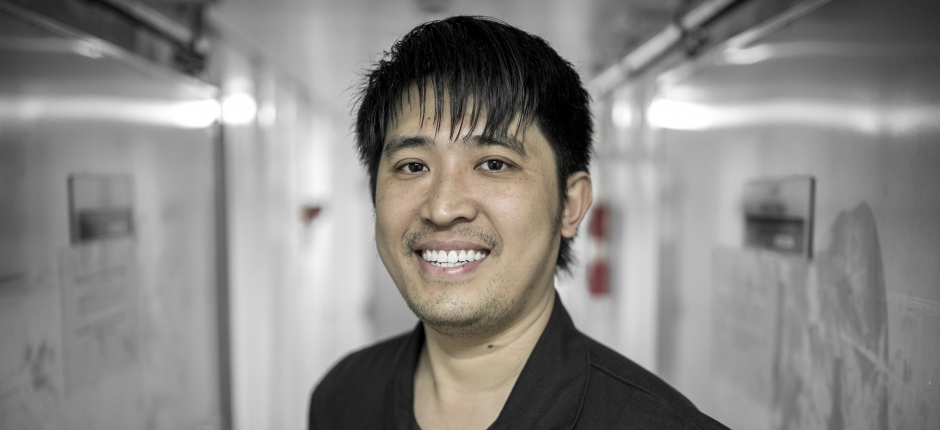
Ever wondered how a ship full of passengers sailing in Arctic waters is fed? We met up with storekeeper ‘Jojo’ Benedicto Ortiz, who told us how he does it.
“My responsibility as storekeeper is to keep the ship stocked with provisions as cost-effectively as possible.
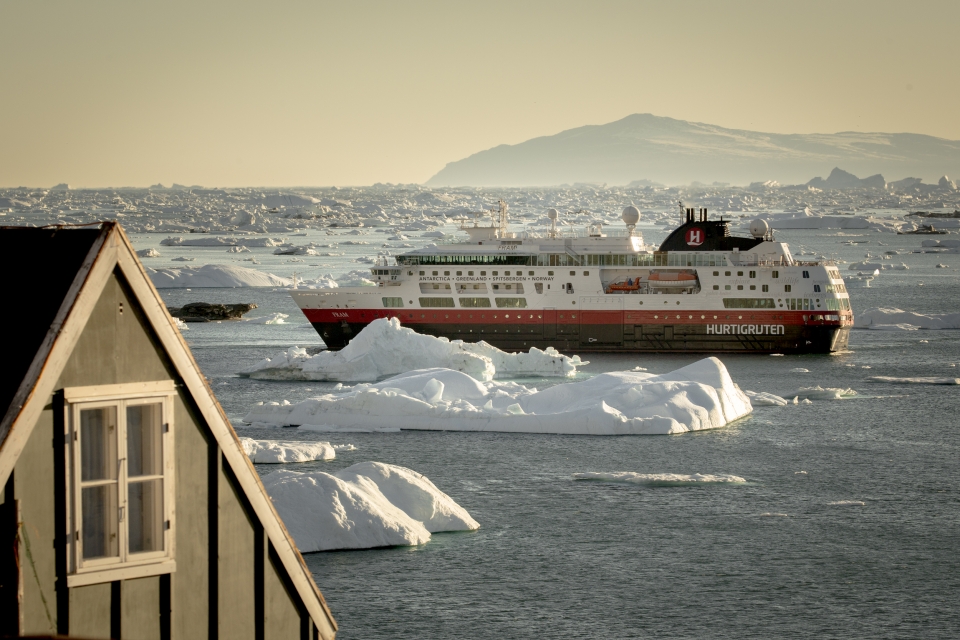
I’m a trained marine officer from the Philippines, but ever since I started sailing 14 years ago, I’ve been working in provisions. At the end of 2014, I started working on Hurtigruten’s Fram. Working here forces me to think differently, since we go to Northern destinations like Greenland and Svalbard where it’s hard to get some supplies.
The first thing that you need think about in my line of work is the principle of ‘first in, first out’: the oldest supplies need to be used first. The other rule is not to run out of things. I am constantly juggling stock and planning things together with the hotel manager, galley and bar staff about what should be used and what should be ordered.
We have a fixed menu, but we can’t completely predict what passengers will order. I have also devised my own spreadsheet that calculates how much passengers are consuming compared with previous cruises. I use this to calculate how much I should order.
MORE PICTURES of life aboard the Fram at end of article
Each time we disembark, we take on fresh produce and goods. Sometimes, it can be quite difficult to get the things we need in the more remote locations. For example, we were supposed to get supplies from Denmark in Kangerlussuaq, but the transportation costs were too high.
Instead, we decided to order everything locally. So I ordered 1,200 cartons of yoghurt from the local supermarket in Nuuk. Typically this much yoghurt is only enough for eight days on the ship, but our contact at the grocery store said that we consumed as much as the whole town ate for a month!
So, it goes without saying that the Fram needs to be well stocked; last time in Reykjavik we refilled our stores with two 40-foot trucks. We have big-sized freezers and decent dry stores. Where possible we buy locally, but otherwise we fill our stores with products from Norway or wherever makes sense.
If something were to prevent us from replenishing our stores at our next port, you don’t have to worry: we usually have enough to stay out at sea for two months. Whether it’s frozen vegetables, fruits, meat, fish or frozen desserts, we have everything you need to survive.”
This article was provided by Visit Greenland.