The cure for what ails you
iAbout Press releases
As part of our continuing efforts to bring you as much information about our region as possible we offer readers a press release service that allows private firms, public agencies, non-governmental organisations and other groups to submit relevant press releases on our website.
All press releases in this section are published in their full length and have not been edited.
If you have a press release or other announcement you would like to have published, please send it to [email protected].
We reserve the right to reject press releases we deem irrelevant or inappropriate.
All material submitted to The Arctic Journal, including pictures and videos, will be assumed to be available for publication by The Arctic Journal and its related entities.
The Arctic Journal is on holiday this week. But instead of leaving our readers starving for news from the region while we’re away, we’ve queued up some of our favourite articles from the past few years. Whether you call them summer re-runs, greatest hits or a mixed tape from us to you, we hope you’ll have as much fun re-reading them as we did digging them out of the archives.
We’ll be back with new content tomorrow. Until then, enjoy the final installment in our summer look back. This one comes from Russia, and the 2014 International Day of Indigenous Peoples celebration in Moscow. We originally ran the article and photo gallery on August 13.
Read all the articles published in our mixed tape so far.
Since it was first pronounced by the UN in December 1994, the International Day of Indigenous Peoples has been celebrated each year on August 9.
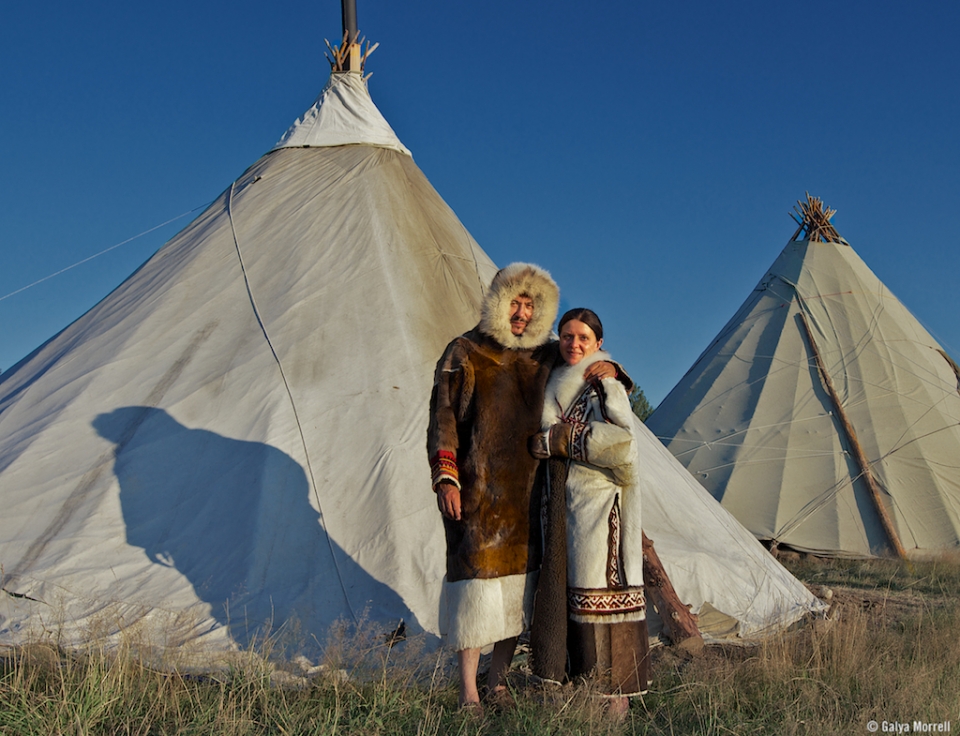
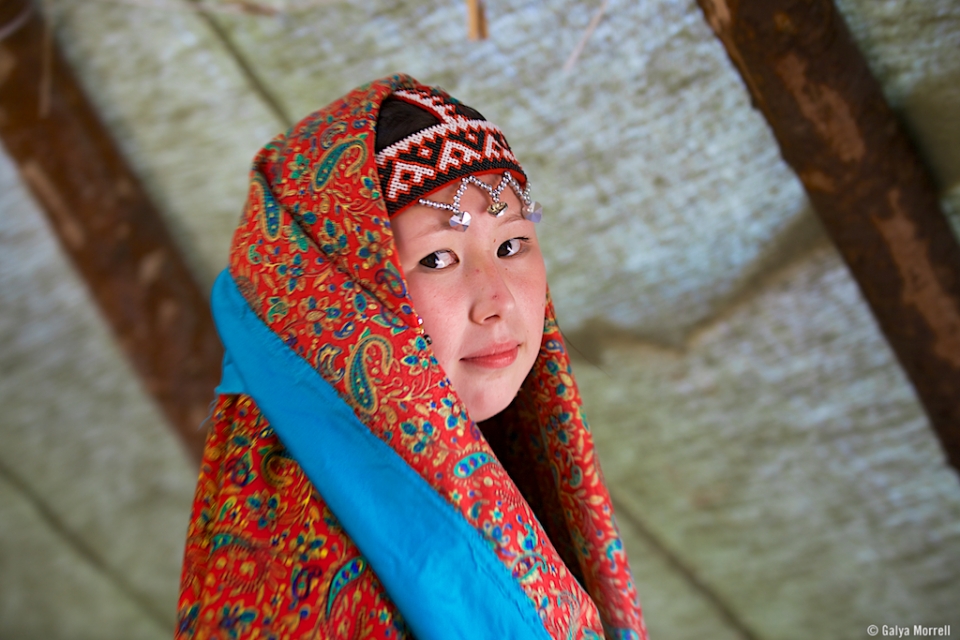
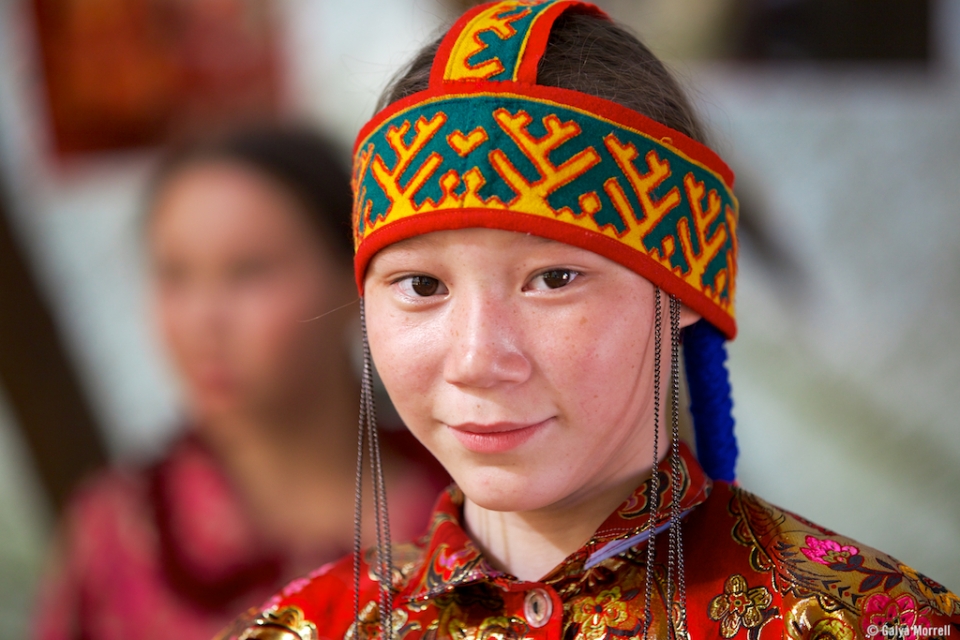
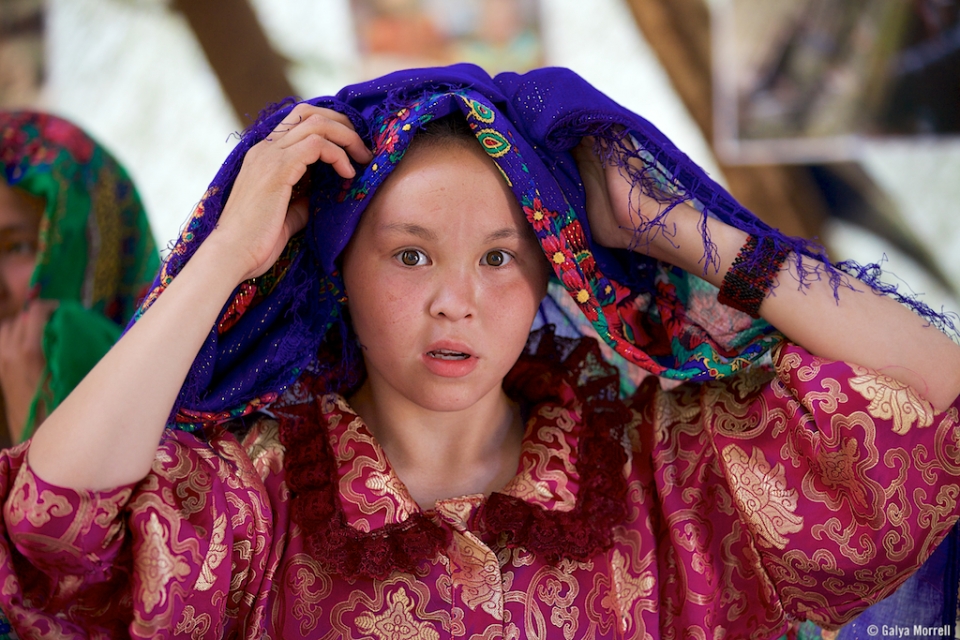
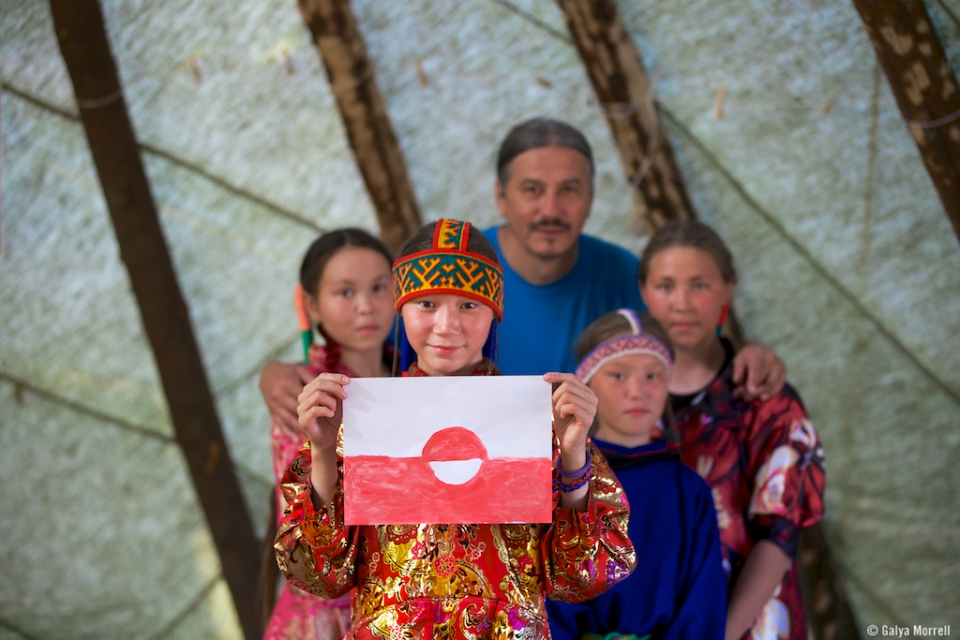
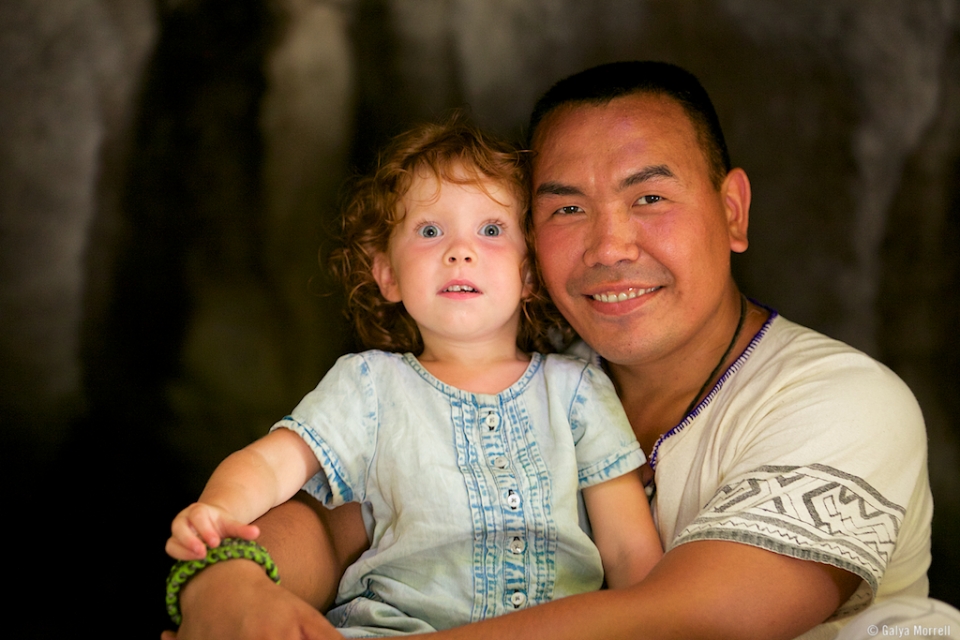
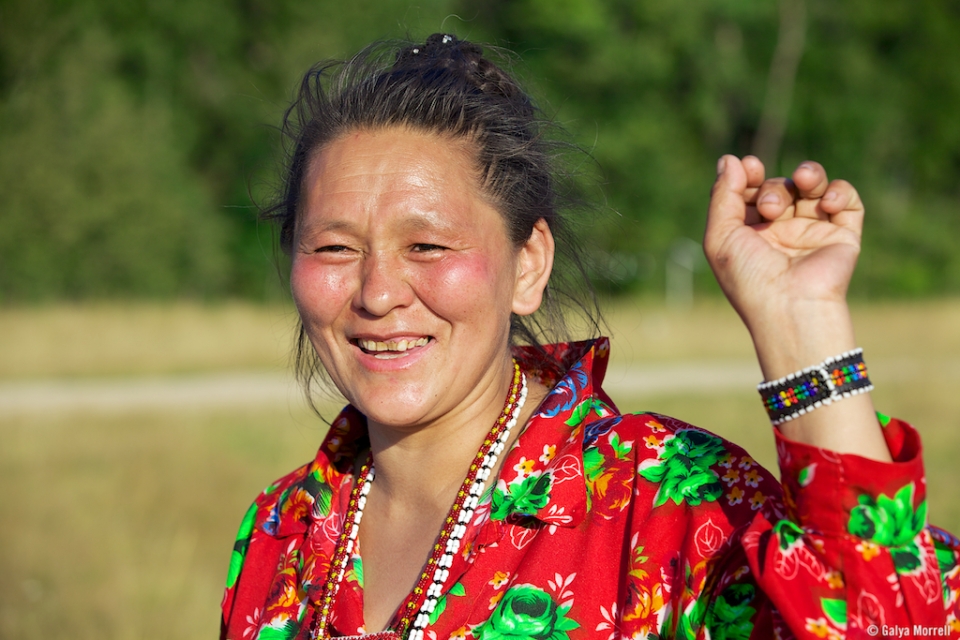
In Russia this year, members of some 50 indigenous nations, living as far as 12 time zones away from each other, gathered together at the Nomad, a so-called ethno-park on the outskirts of Moscow to celebrate their roots and to promote their rights and heritage. The celebration ends on August 18 and will echo similar gatherings in Chukotka, Yakutia, Tuva, Yamal and Karelia.
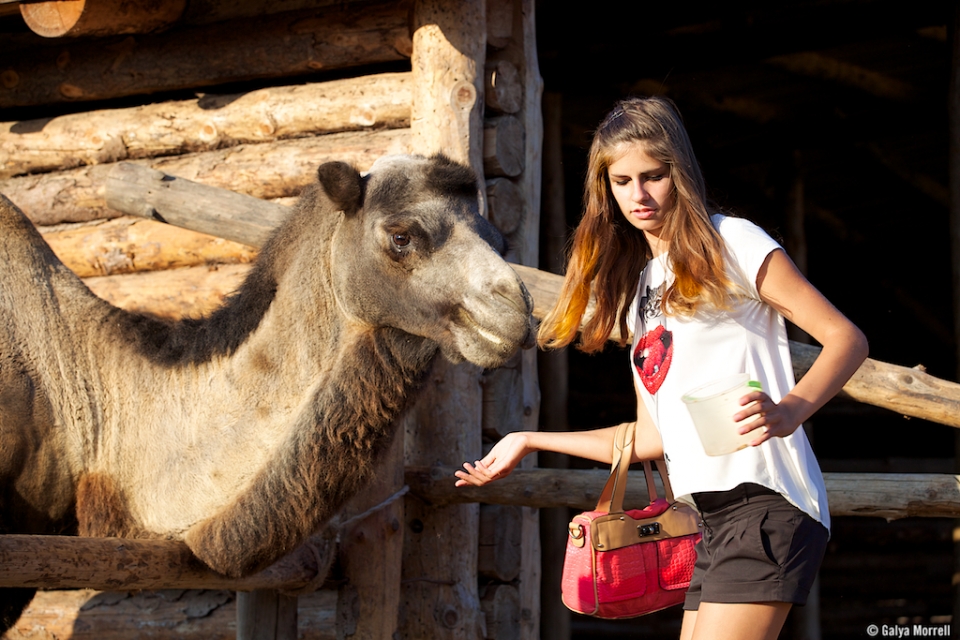
PHOTO GALLERY: See pictures from the Nomad (at end of article)
At the time when fear of a new Cold War and increasing militarisation of the Arctic steal headlines, in Russia the mood is much more subdued. Few consider the situation a crisis. And despite the harsh rhetoric and a Russian embargo on food imports that come into effect last week, in local supermarkets banned Western products are still readily available.
Life goes on as usual in the world’s largest country and home to the world’s largest Arctic indigenous population. Among the 350,000 indigenous Arctic people are the 1,500 or so Inuit, or Yuit as they call themselves, mainly living in Chukotka and Yakutia. Many of them have travelled all the way from the Bering Strait to take part in International Day for Indigenous Peoples celebrations.
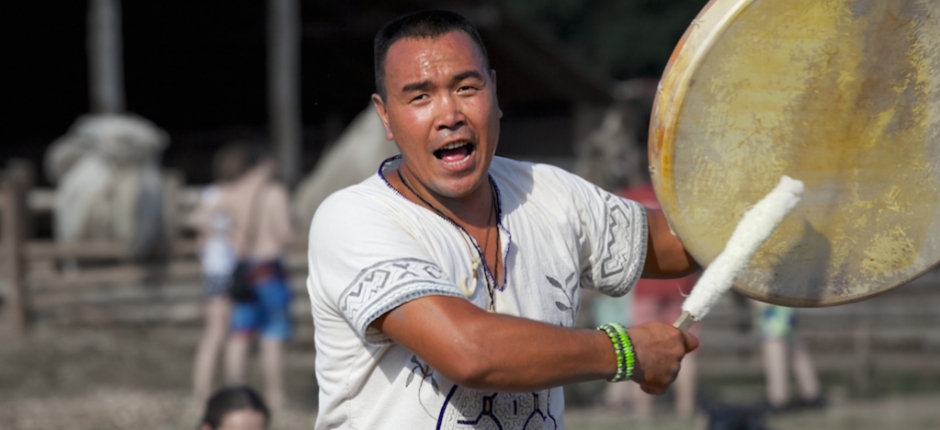
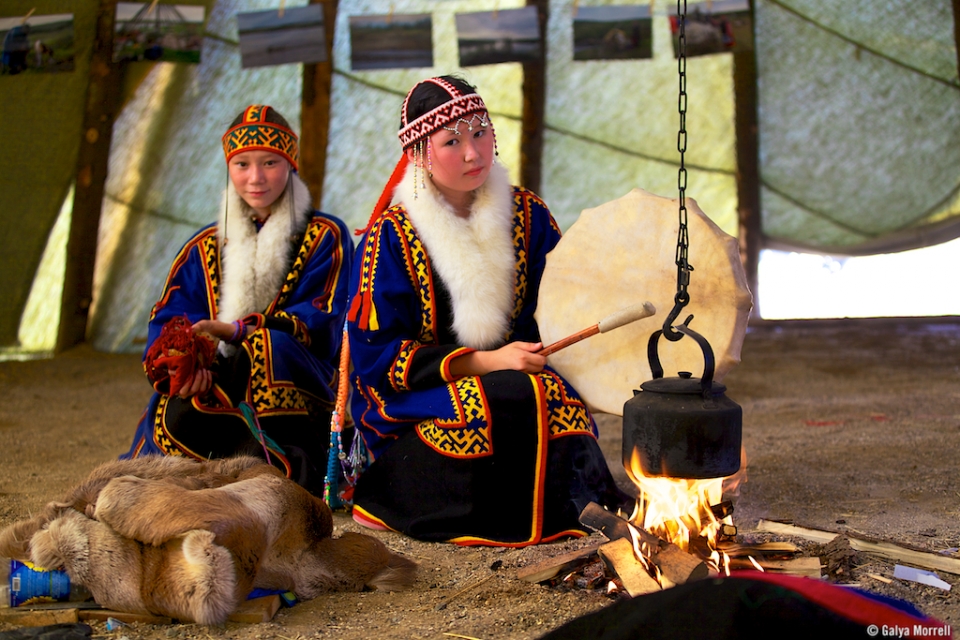
Muscovites were given a chance to forget for a day or two about the perils of the mounting tensions with the West and become a part of a peaceful community of First Nations as they performed their music and dances, told stories, donned costumes and prepared their cuisines. During the week, hundreds of people will learn the arts of throat singing, beadwork and drum dancing, and by doing so will become more acquainted with the Arctic’s ancient culture and traditions.
SEE RELATED: We are UN-impressed
Distinguished drum-dancers from Chukotka performed both Chukchi and Eskimo songs that immediately become a hit with visitors from Moscow, especially the youngsters.
Festival guests are offered the chance to eat and rest in ‘traditional mobile homes’ delivered from different regions of Russia, such as chums of the Nenets, a people who inhabit a vast area in northwestern Russia, yarangas, from Chukotka, and yurts of the Yakutia, from eastern Siberia.
One of the major attractions during the festival was a workshop in which visitors could learn to imitate Arctic bird and animal voices as well as to use this ancient art as a way to relieve stress and pains. Another workshop took up aboriginal cuisine, preparing Chukchi mantaq, raw whale skin with blubber, and nikku, reindeer jerky brought from the opposite ends of Siberia – Chukotka in the east and the Yamal Peninsula in the west.
The weather co-operated, even if it was overwhelming at times; by mid-afternoon temperatures often rose to 35 degrees. The Nomad is not an air-conditioned event, but Northerners and their guests were still able to remain comfortable; the chums and yarangas have been refined through the ages and keep their inhabitants comfortable in any weather.
Thanks to the Indigenous Day, residents of Moscow were able to forget about two headaches at once: the ugly war with Ukraine and deadly heatwave that has plagued Russia’s capital for a month and seems to have no end.
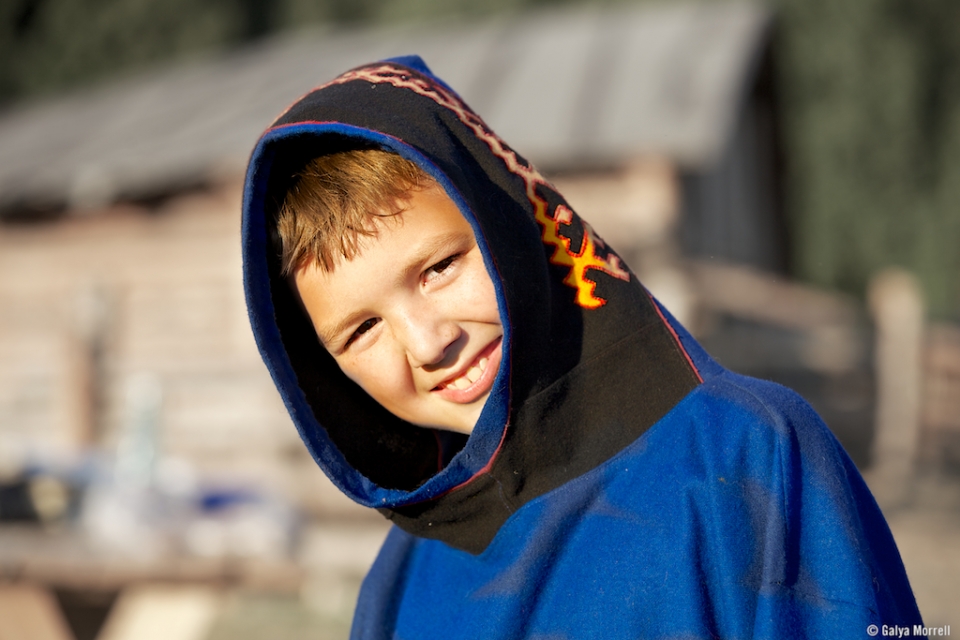
All photos: Galya Morrell/Cultural Expedition Avannaa
russian-indigenous_2865.jpg
russian-indigenous_4234.jpg
russian-indigenous_4273.jpg
russian-indigenous_4303.jpg
russian-indigenous_4275.jpg
russian-indigenous_4321.jpg
russian-indigenous_4389.jpg
russian-indigenous_4440.jpg
russian-indigenous_4495.jpg
russian-indigenous_4559.jpg